 EN
EN


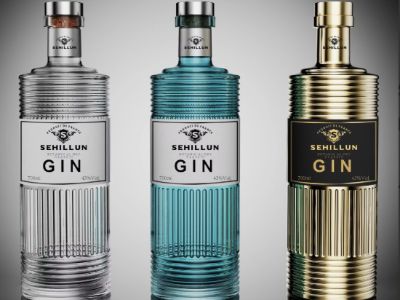
Navigating quality traps when sourcing an empty liquor bottle can be a daunting task for purchasing managers and product managers alike. With over 12 years of experience, Guangzhou Tatricia Glass Group Co., Ltd. understands that selecting the right glass packaging involves more than just aesthetics it requires a keen understanding of quality specifications, supplier reliability, and materials. This article will help you identify critical factors to consider during your sourcing process, ultimately leading to better purchasing decisions and successful partnerships.
How to Choose the Right Quality Empty Liquor Bottle for Wholesale?
When sourcing empty liquor bottles for wholesale, the first step is to define your specific needs. Consider the type of liquor you will be packaging, as it will influence the bottle's shape, size, and closure type. For instance, spirits like whiskey may require thicker glass for durability, while liqueurs may benefit from more decorative designs to attract consumers. Next, evaluate the quality of the glass itself. High-quality glass should be free from defects, such as bubbles or uneven thickness. These imperfections can compromise the structural integrity of the bottle and affect the product's shelf life. Buyers should also consider the bottle's closure type; a secure seal is crucial for preserving the empty liquor bottles quality. Customization options are another essential factor. Many manufacturers, like Guangzhou Tatricia Glass Group, offer OEM and ODM services, allowing you to create a unique bottle design that reflects your brand identity. This can include custom logos, colors, and shapes, making your product stand out on the shelf.
Key Specifications for Sourcing Empty Liquor Bottles Effectively
Understanding the key specifications of empty liquor bottles is vital for making informed purchasing decisions. The following specifications should be prioritized:
Material: Glass is the most common material for liquor bottles due to its non-reactive properties, which help maintain the flavor and aroma of the liquor. Ensure that the glass used is suitable for your specific product type and meets any regulatory requirements.
Dimensions: The size and shape of the bottle should align with your branding and storage needs. Factors such as height, diameter, and volume capacity will dictate how the bottles are displayed and transported.
Thickness: The thickness of the glass impacts both the weight and durability of the bottle. Thicker glass can offer better protection during shipping and handling, while lighter empty liquor bottles for sale may reduce shipping costs.
Sealing Mechanism: Evaluate the sealing mechanism, as it plays a crucial role in preventing leaks and maintaining product integrity. Common options include corks, screw caps, and synthetic closures, each with its advantages and disadvantages.
Finishing: The surface finish of the bottle can affect its appearance and feel. Options such as frosting, embossing, or labeling can enhance the bottle's aesthetic appeal.
Buyers should confirm these specifications with potential suppliers to ensure they meet their requirements.
Evaluating Supplier Reliability When Purchasing Glass Bottles
Supplier reliability is a key concern when sourcing empty liquor bottles. To evaluate potential suppliers, consider the following factors:
Experience and Reputation: Look for manufacturers with a proven track record in the glass packaging industry. Companies like Guangzhou Tatricia Glass Group, with over 12 years of experience, often have established quality control processes and a portfolio of satisfied clients.
Quality Control Practices: Inquire about the supplier's quality control measures. A reputable manufacturer should have stringent testing protocols in place to ensure that each batch of bottles meets the required specifications.
Production Capacity: Understand the supplier’s production capabilities, including the number of lines they operate and their ability to handle large orders. This is particularly important for brands anticipating rapid growth or large-scale launches.
Certifications: While specific certifications were not mentioned, buyers should inquire about any industry certifications that the supplier holds, as these can provide insight into their commitment to quality and safety standards.
Communication and Support: Evaluate how responsive and supportive a supplier is during the inquiry and negotiation process. Good communication is crucial for a successful partnership.
Where to Find Trustworthy Suppliers for Glass Packaging Needs?
Finding trustworthy suppliers for glass packaging requires thorough research. Here are some effective strategies:
Industry Trade Shows: Attending trade shows focused on packaging and glass manufacturing can provide opportunities to meet potential suppliers face-to-face. You can examine their products and discuss your specific needs directly.
Online Marketplaces: Websites such as Alibaba or Global Sources can connect you with a wide range of manufacturers. Look for suppliers with positive reviews and verified credentials to ensure reliability.
Industry Associations: Joining industry associations can provide access to a network of reputable suppliers. These organizations often have directories of members, making it easier to find qualified manufacturers.
Referrals and Recommendations: Ask for referrals from industry peers or colleagues who have experience sourcing glass packaging. Personal recommendations can often lead to reliable suppliers.
Supplier Audits: If possible, conduct site visits or audits of potential suppliers to assess their facilities, processes, and quality control measures.
Material Advantages of Glass Bottles
Glass bottles offer several advantages that make them an ideal choice for liquor packaging. Here are some key benefits:
Non-Reactive: Glass is a non-reactive material, meaning it does not interact with the contents of the bottle. This property is crucial for maintaining the integrity and flavor profile of liquor over time.
Barrier Protection: Glass provides an excellent barrier against moisture, oxygen, and UV light, which can degrade the quality of the liquor. This helps extend shelf life and preserves the product's taste and aroma.
Sustainability: Glass is a highly recyclable material, making it an environmentally friendly option for packaging. Many consumers are increasingly mindful of sustainability, and glass bottles can enhance your brand's appeal to eco-conscious buyers.
Aesthetic Appeal: Glass bottles can be designed in various shapes and sizes, offering versatility in branding and marketing. The clarity and brilliance of glass can enhance the visual appeal of your product, making it more attractive to consumers.
Durability: While glass can break, high-quality glass empty liquor bottle price are designed to withstand typical handling and storage conditions. Investing in thicker, sturdier glass can mitigate the risk of breakage during transport.
By understanding these material advantages, buyers can make informed decisions that align with their product goals and brand values.
